|
Wireless
If you need to connect your
fire alarm control panels to a central monitoring system,
wireless may be the best alternative.
With a wireless fire alarm
panel, you can monitor up to 250 buildings with only two
telephone lines and one monitoring account.
Compared to individually
monitoring each building, property owners save an average
of $100 per month per building with wireless solutions from The
Systems Group.
Wireless costs much less to
install. The cost of trenching in conduit and running
cables underground between your buildings averages three to five
times as much as wireless!
Wireless is much less
obtrusive — to your property and to your residents.
Wireless is almost invisible. Trenching at an existing
property is disruptive and usually leaves "scars" on the landscape, streets,
and parking lots.
Wireless is much faster.
Most jobs can be completed in a few days, rather than weeks
or months.
All of our wireless fire
alarm products are UL-listed and provide two-way supervision
and monitoring:
| |
General Electric |
|
Wireless monitoring, wireless smoke detectors, wireless
heat detectors, transceivers, wireless fire alarm
panels, and buddy-system redundancy. |
| |
|
|
|
| |
Fire-Link |
|
Wireless horns and strobes. |
For more information, please call
407-532-6021 or click on one of these links:
Technical Info or
Case Study
|
|
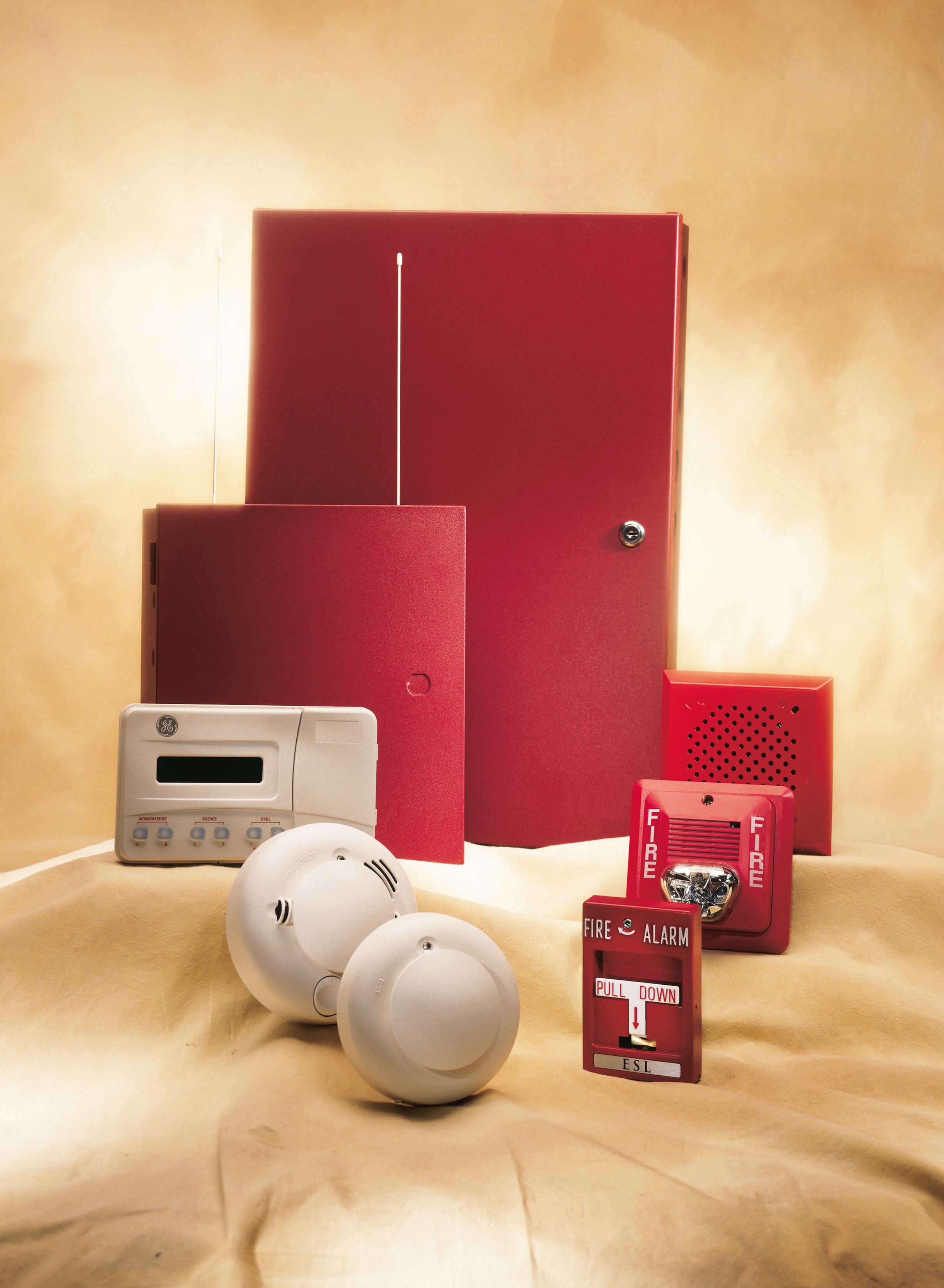
Wireless
Commercial Sensors (UL 268)
• Ten-year sensor battery life
• Built-in sounders for evacuation
• ESL wireless smoke detectors with Clean-Me™
supervised maintenance feature
• For reduced maintenance and better false
alarm immunity
Detailed Commissioning Report
Determine exactly how the system is
programmed and receive detailed
sensor reports. Reports let you know
that your wireless system meets
specifications.
|
|
|

Advent
Flexibility The Advent Fire system has eight partitions,
250 zones, 250 user
codes, and built in voice notification and
system prompts via remote
cellular connection. Having earned UL
commercial approvals, Advent
Fire’s 250 zones can be hardwired or wireless
for design and installation flexibility. Voice
prompts and built-in help both ensure proper
system operation.
Wireless fire transmitter technology is
already recognized by NFPA UL
864 -- but not all wireless is equal. For
example, Advent’s wireless devices have an
estimated battery life of ten years.
Advanced Diagnostics
Advent Fire decreases installation and
maintenance costs with Clean-
Me™ advanced warning and ESL field-replaceable
smoke detector
chambers. Our Clean-Me feature warns you when
heads may be losing
sensitivity due to environmental dust and
dirt. With ESL’s forward
thinking design, the sensor’s optical sensing
chamber can be replaced – there’s no need to
replace the
entire sensor.
Advanced diagnostics also determine whether
smoke heads
have been properly tested and maintained by
automatically reporting arming and disarming
schedules to the central station.
|
|
Spec Summary:
UL 864
• 25-Mhz, 16-bit processor
• 3MB of RAM flash memory for system upgrades
• 14,400 bps onboard fax/data modem with
simultaneous voice
and data
• 132 or 250 wireless and Class B addressable
initiating devices
• 6-Amp 4-circuit notification supply
available
System Architecture
• Self addressing modules, no dip switches
• Five wireless transceivers per control
• 3500’ open air range per transceiver
• Buddy back up systems (5 control panels)
|
|
|
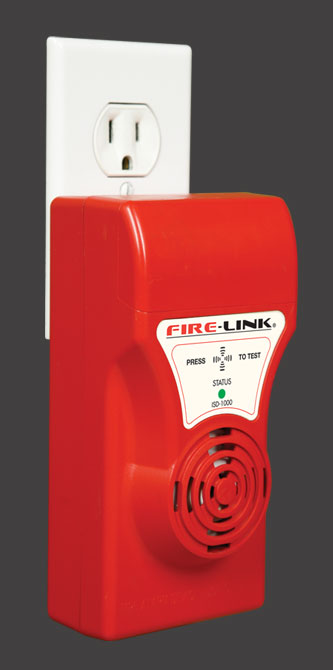
Wireless Horns
If you need to install
horns or horn strobes in an existing building, wireless may be the best alternative.
 |
|
For
retrofit applications, we offer
Fire-Link wireless
horns and strobes. Although the devices are more
expensive than traditional hard-wired horns: The labor costs are much lower,
The devices can be programmed and installed far more
quickly, and
The process is less obtrusive for residents and the
property.
We also retrofit many existing
structures with less-costly traditional, hardwired horns
and strobes. |
Case Study
The Fire Marshall ordered
an apartment complex to install fire alarm monitoring at
each of the fire alarm control panel on each of heir 14
apartment buildings. The
property owner was overwhelmed by how expensive the bids were to
trench-in conduit and connect the buildings by cable to a
central panel.
We installed a wireless
solution that consolidated all of their monitoring to one
panel and saved over
$50,000 compared to installing a hard-wired solution.
Compared to monitoring each
building separately, consolidated monitoring now saves the
property $1,300 a month in on-going telephone and monitoring
costs. The wireless system that we installed will pay
for itself in less than two years — and will save more than
$150,000 over the life of the system:
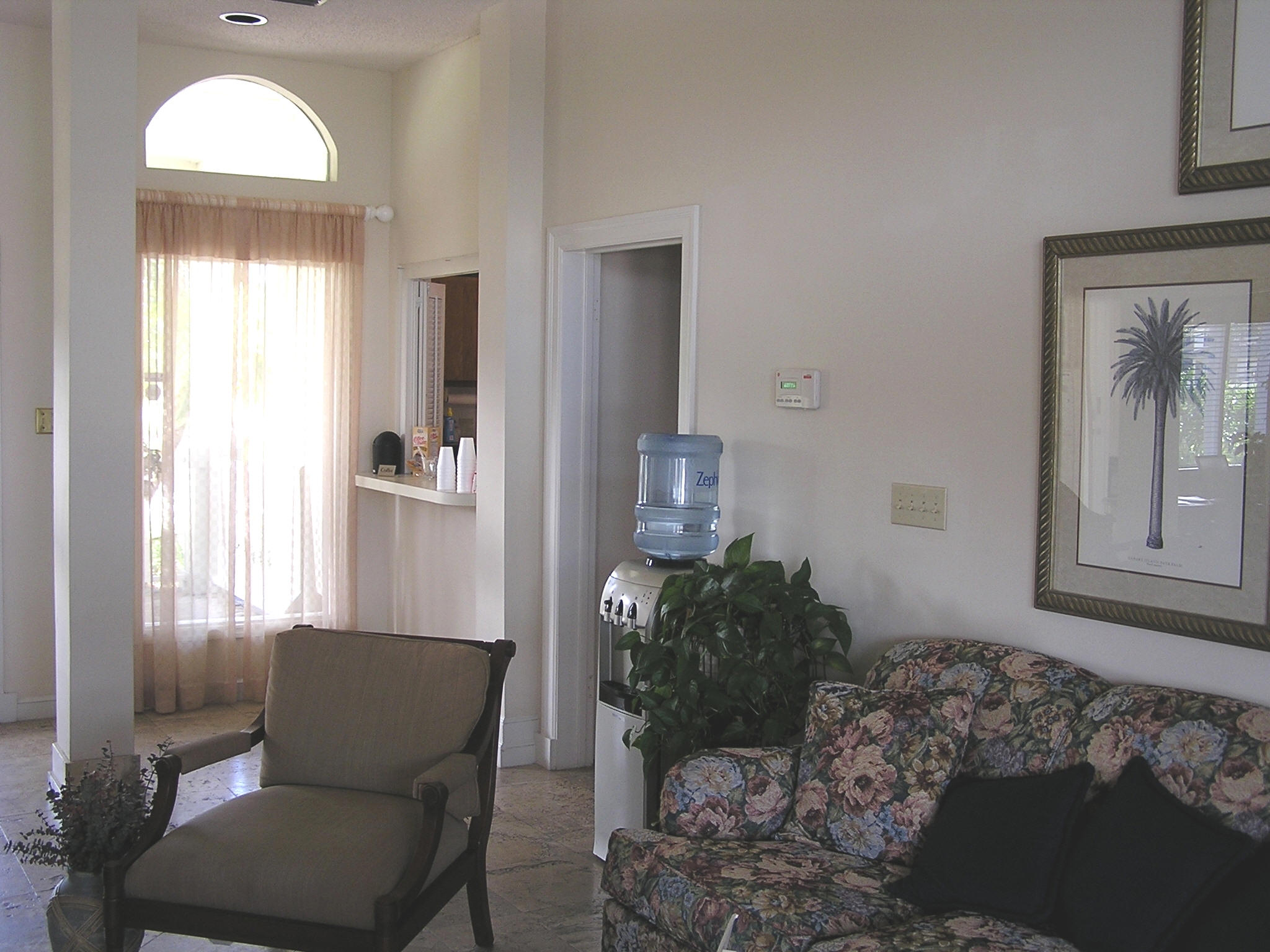
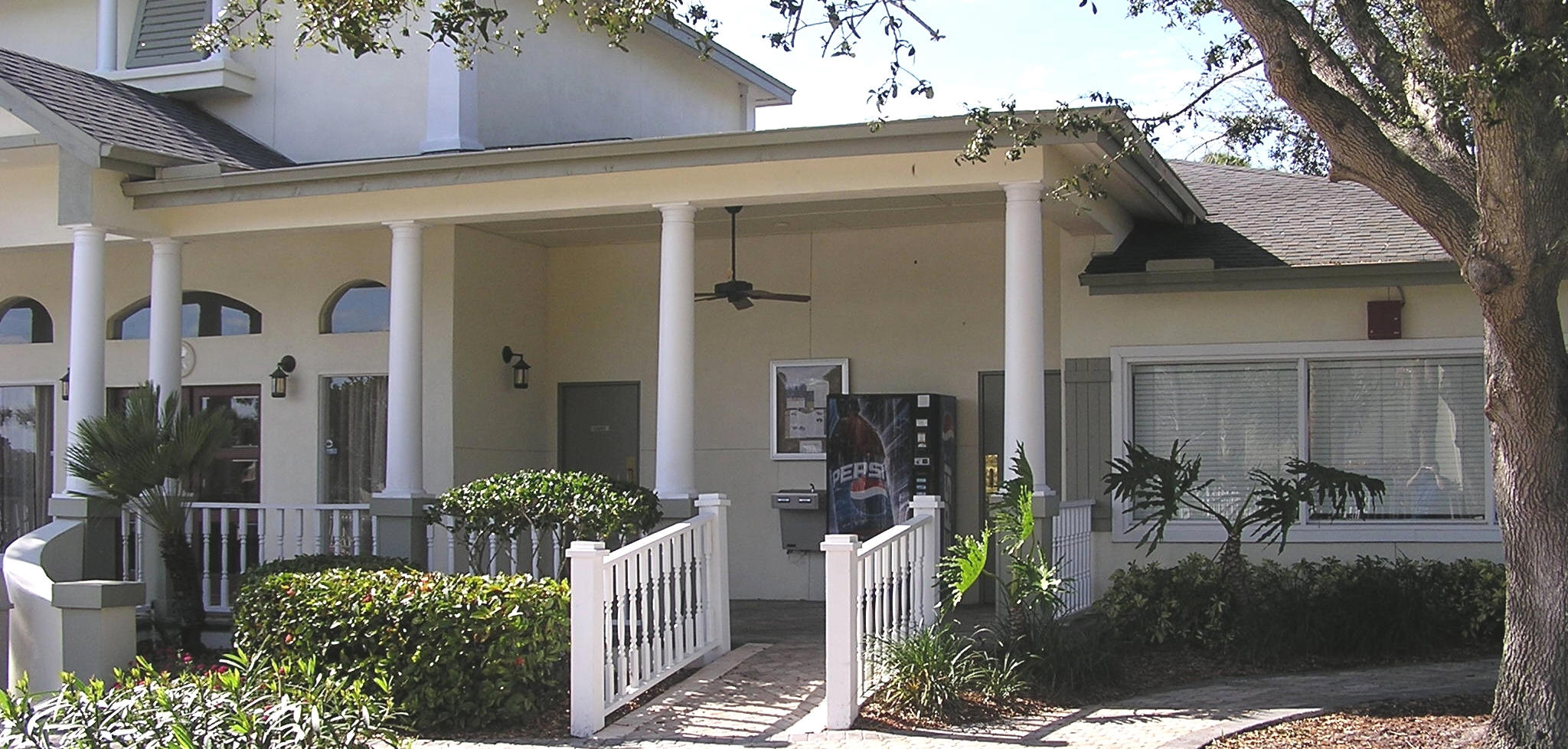
Only a keypad is
visible in the clubhouse. |
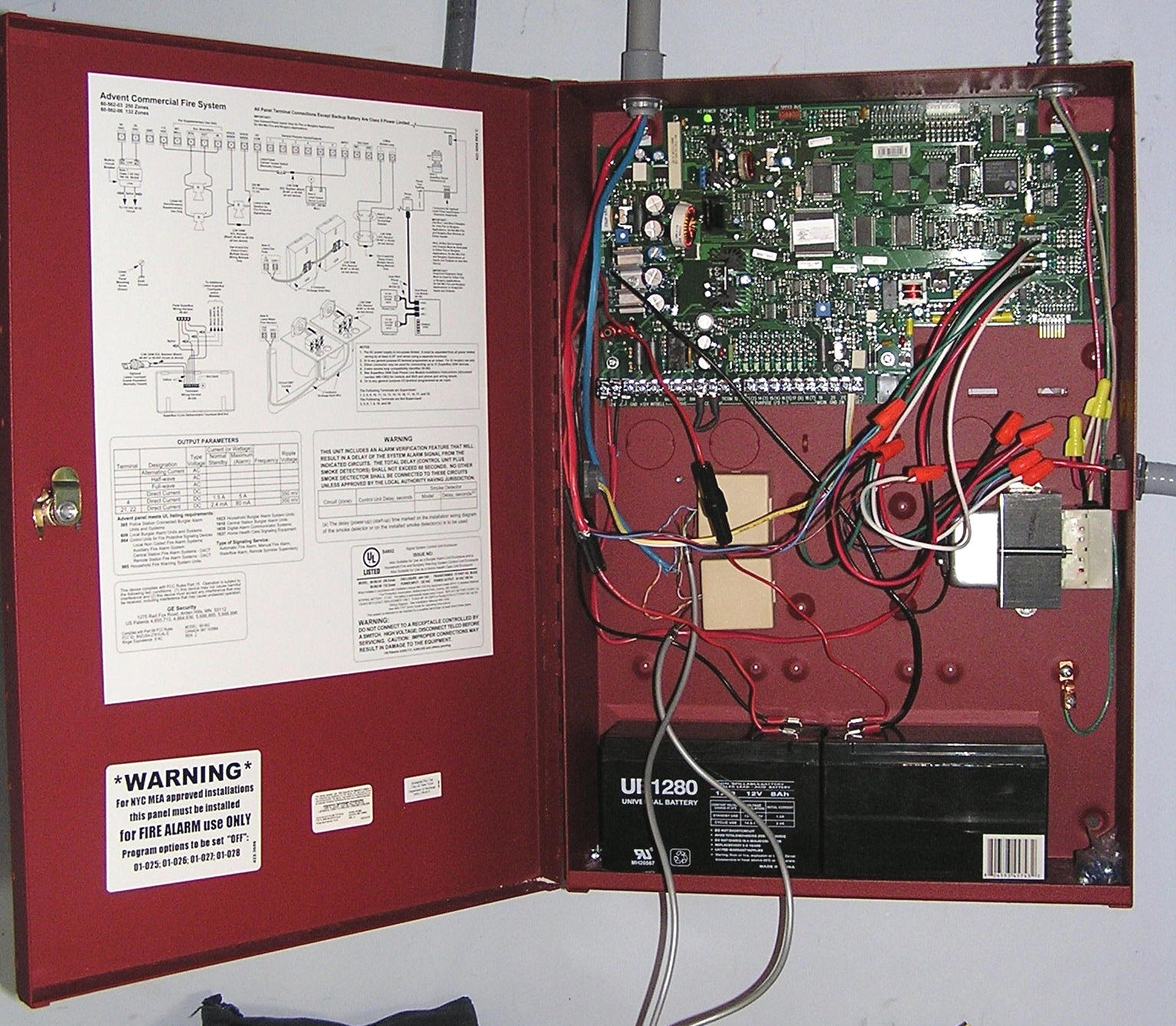
The fire alarm panel is
in a clubhouse closet, connected to two transceivers
mounted outside and to two dedicated telephone
lines for 24/7 monitoring. |
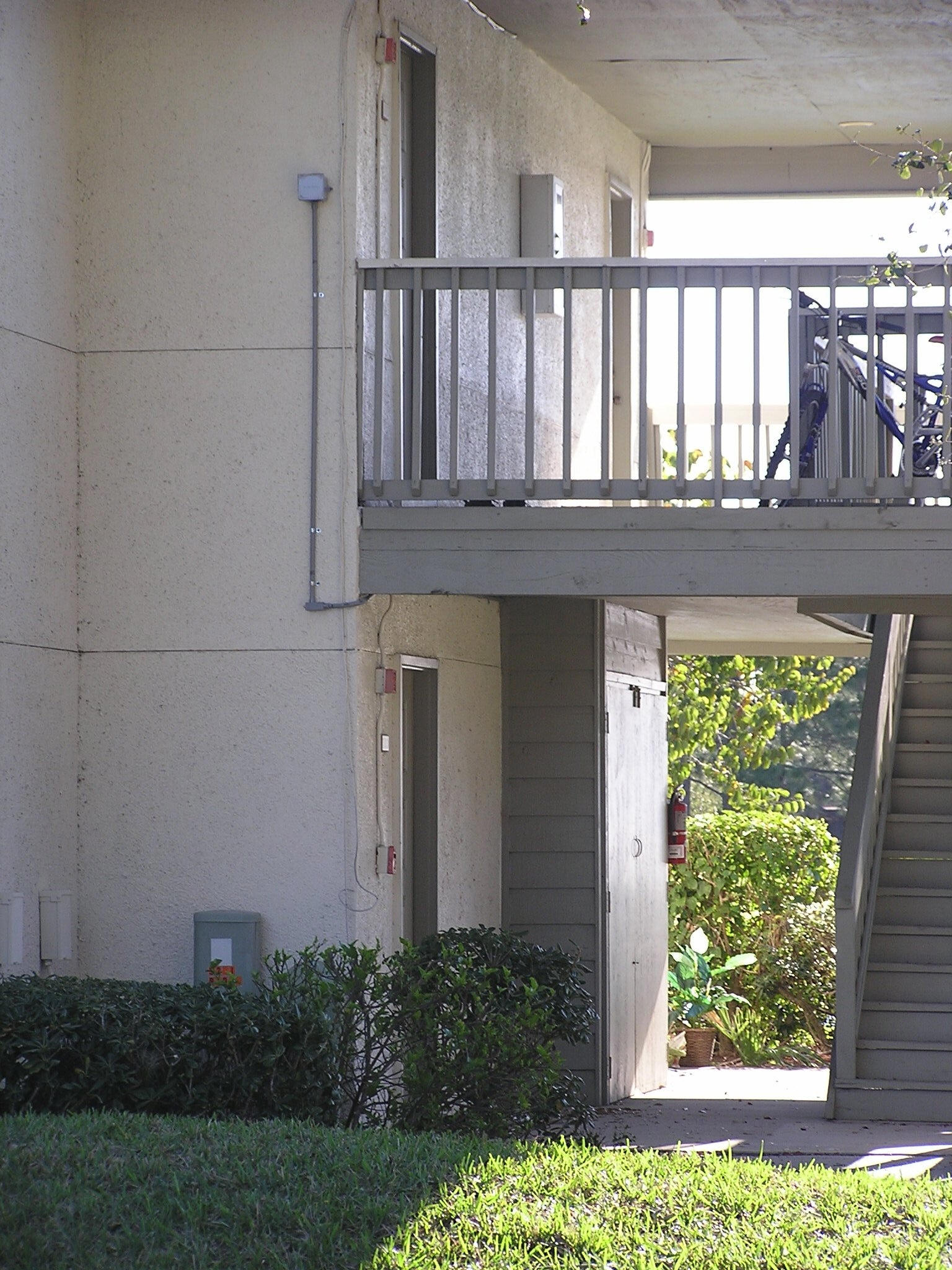
The outside transceivers are
small red boxes with two antennas. Do you see the
transceiver above? |
| |
|
|
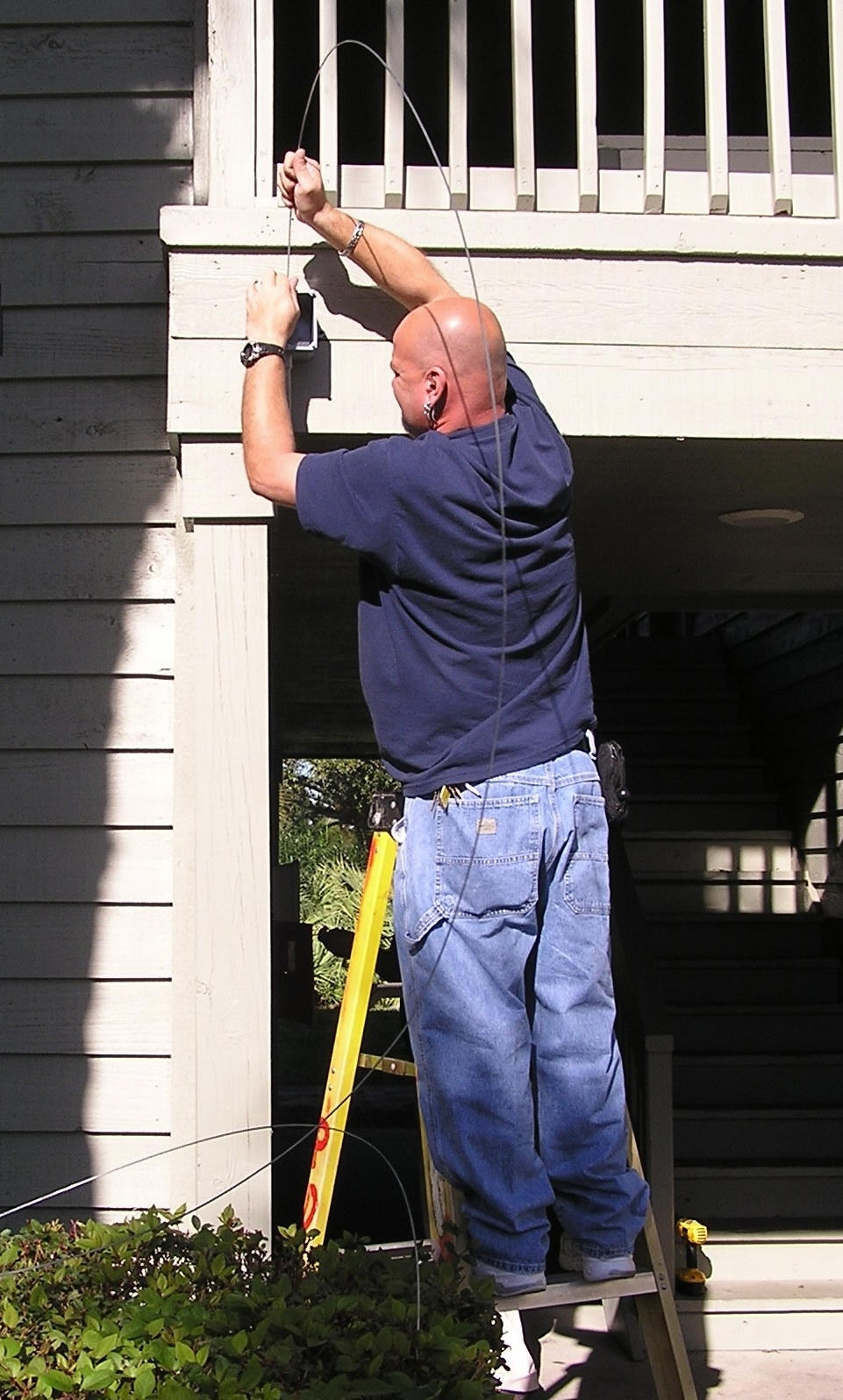 |
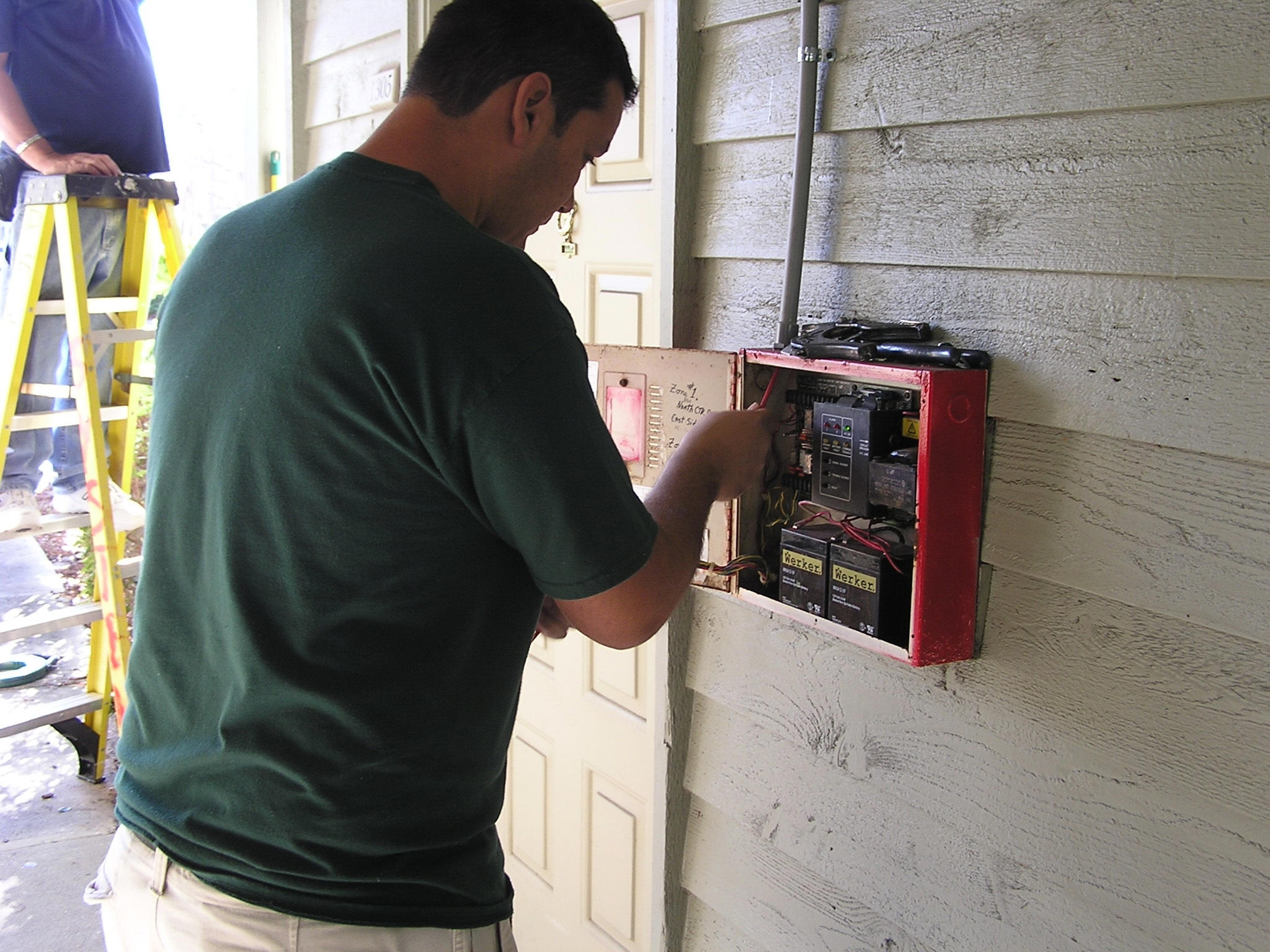
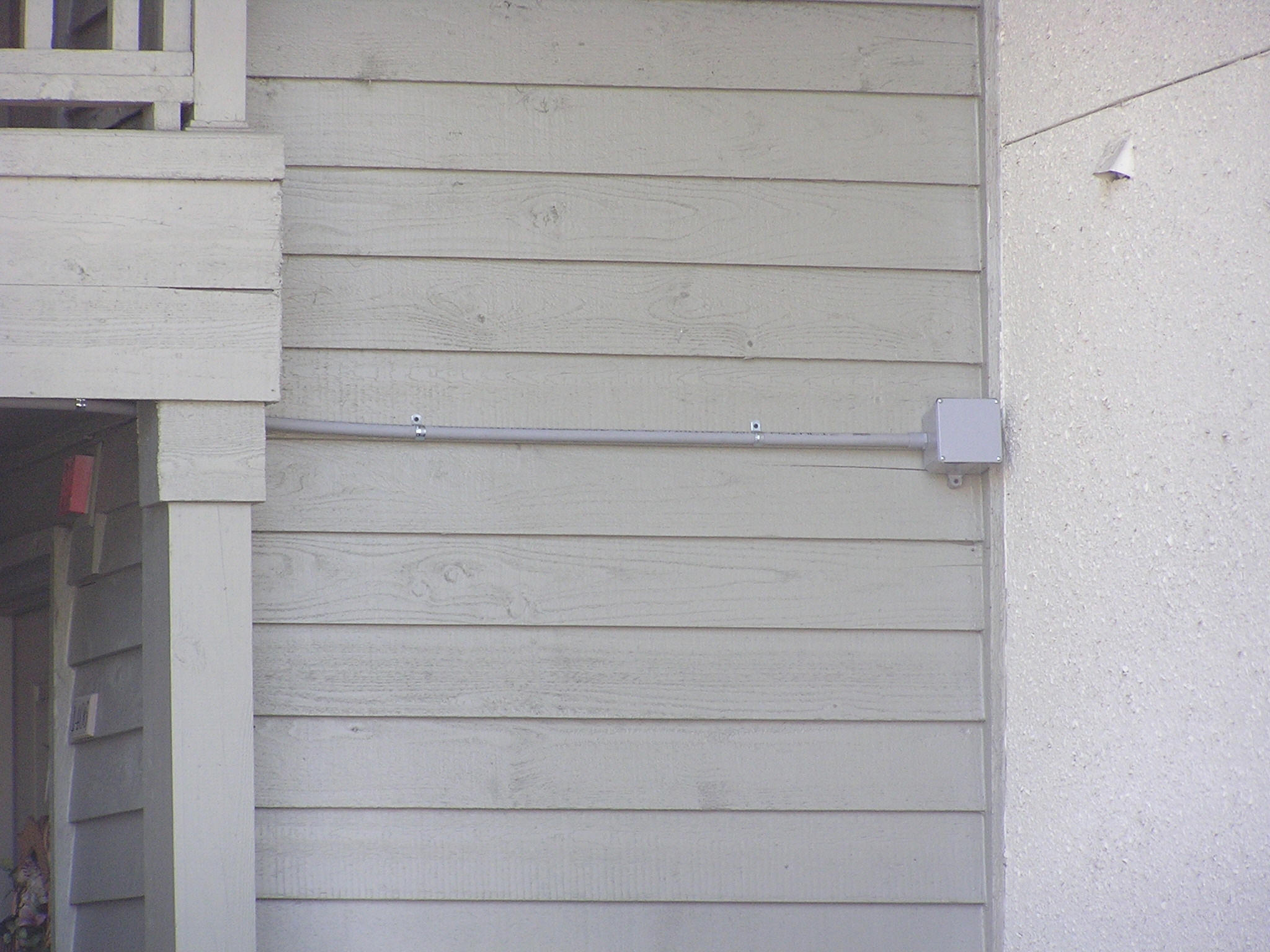
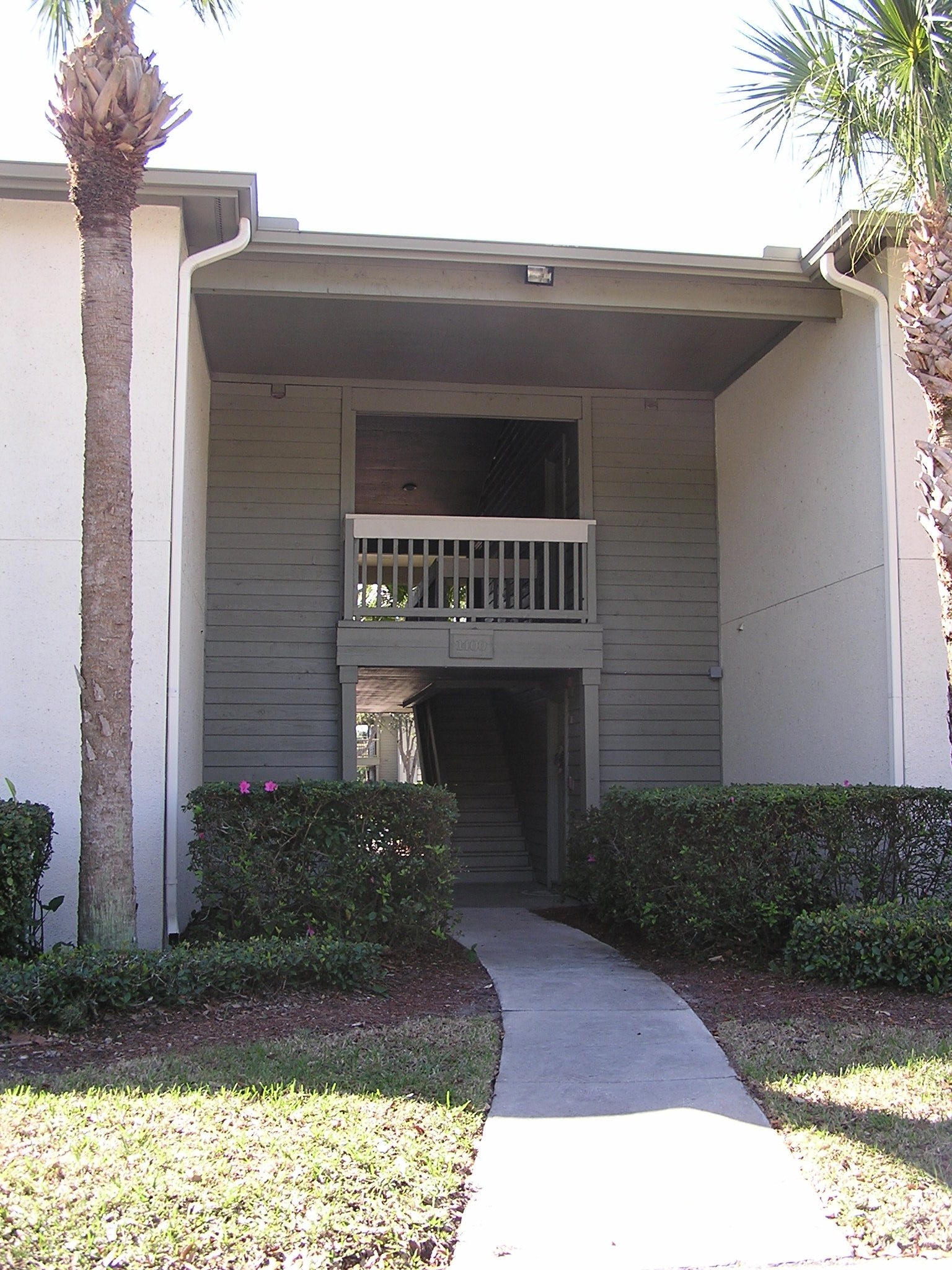
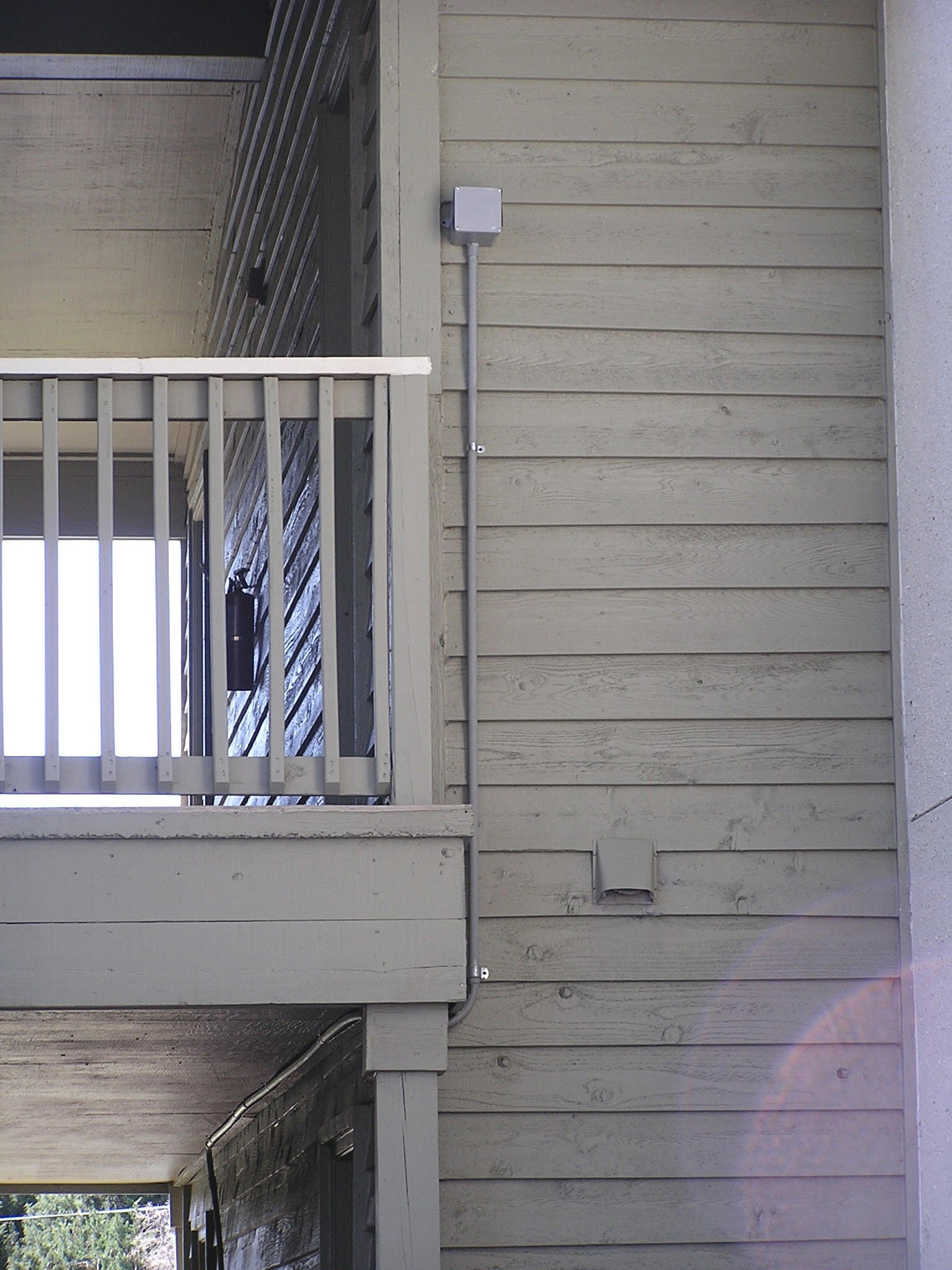
A transmitter is mounted
outside, enclosed
in a small weather-tight box and wired
to the building's fire alarm control panel through new conduit. |
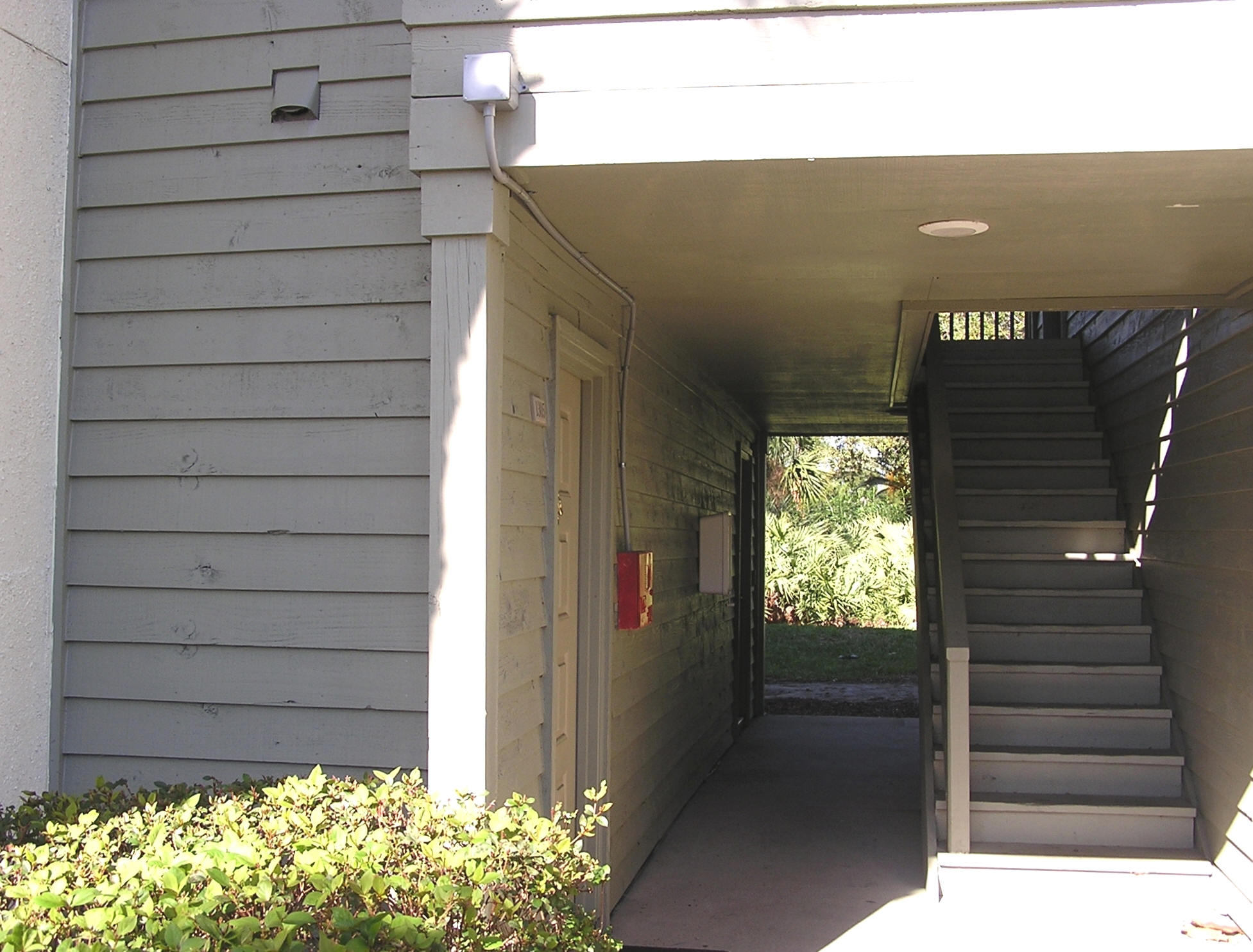
The final result may be
painted, if desired. |
| |
|
|
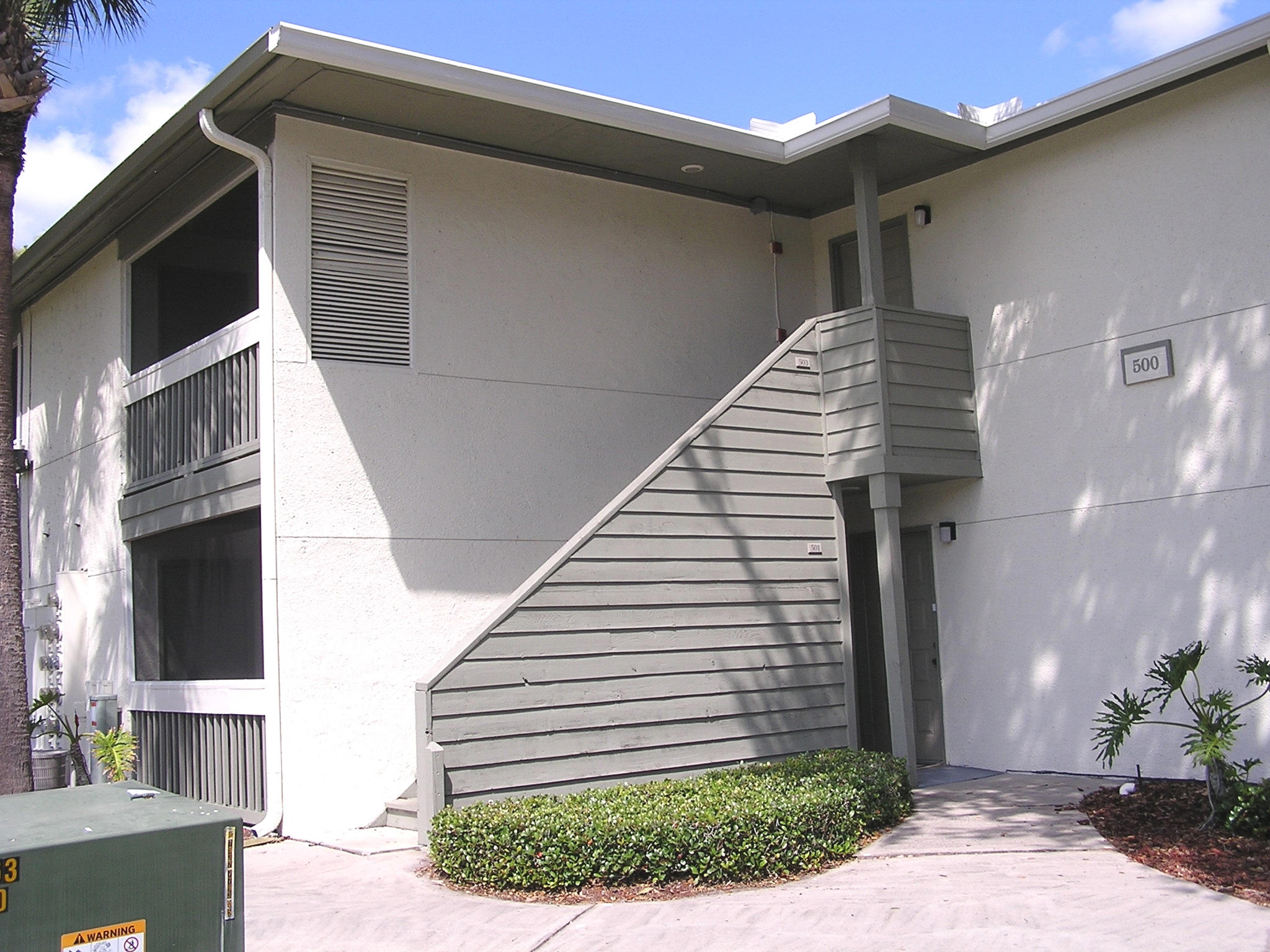
New conduit runs under the
eaves to a
transmitter near an existing fire horn. |
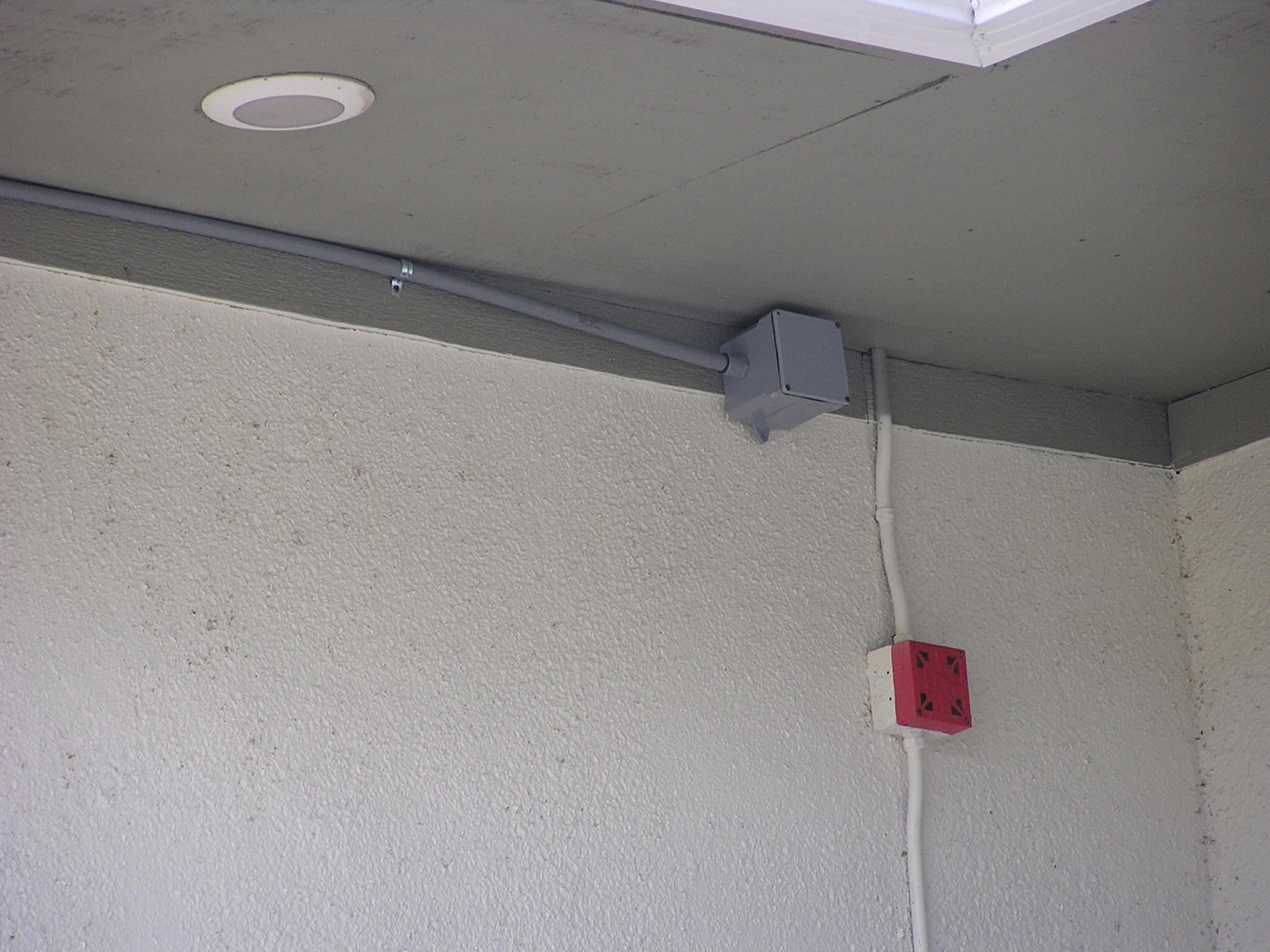
Close-up of the new
transmitter and existing fire alarm horn shown in the
photograph on the left. |
 |
| |
|
|
 |
 |
 |
|